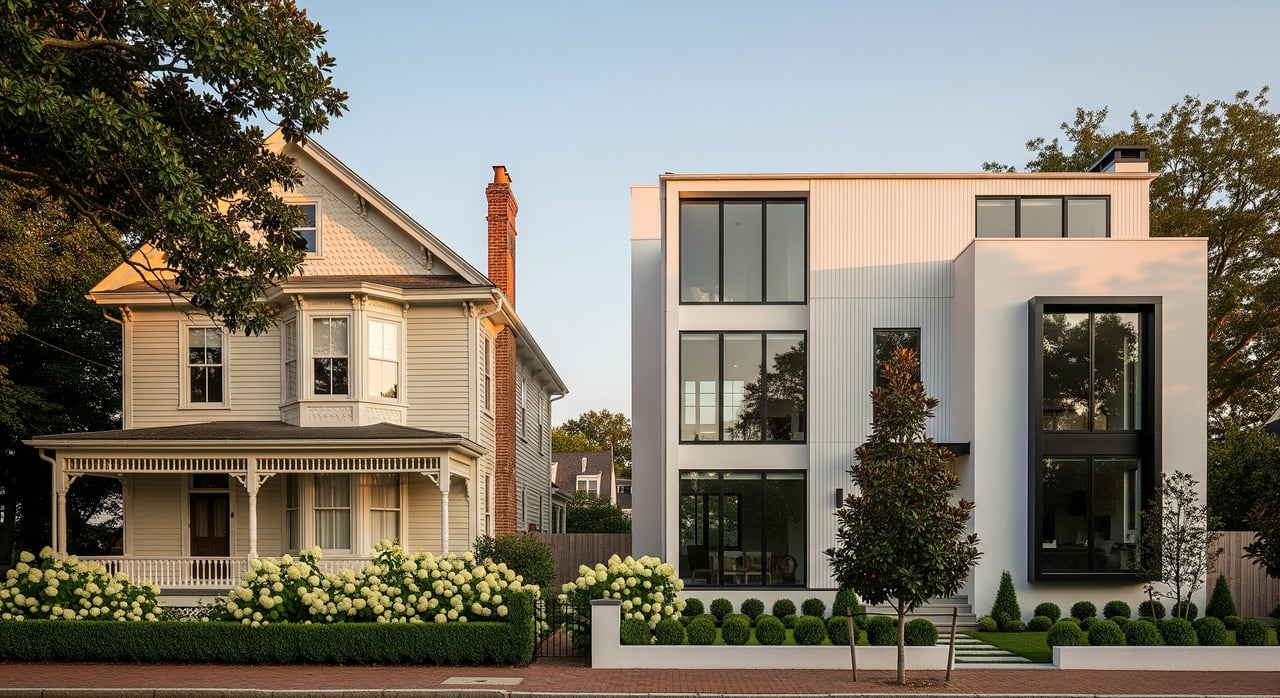
Historic Charm vs New Builds In Berlin Housing
February 12, 2026
February 12, 2026
Torn between a porch with gingerbread trim and a shiny, turnkey kitchen? If Berlin, MD is on your shortlist, you’re likely weighing the charm of the historic district against the convenience of newer communities. You want a home that fits your lifestyle today and makes sense long term. In this guide, you’ll compare location, walkability, maintenance, rules, and costs so you can buy with confidence. Let’s dive in.
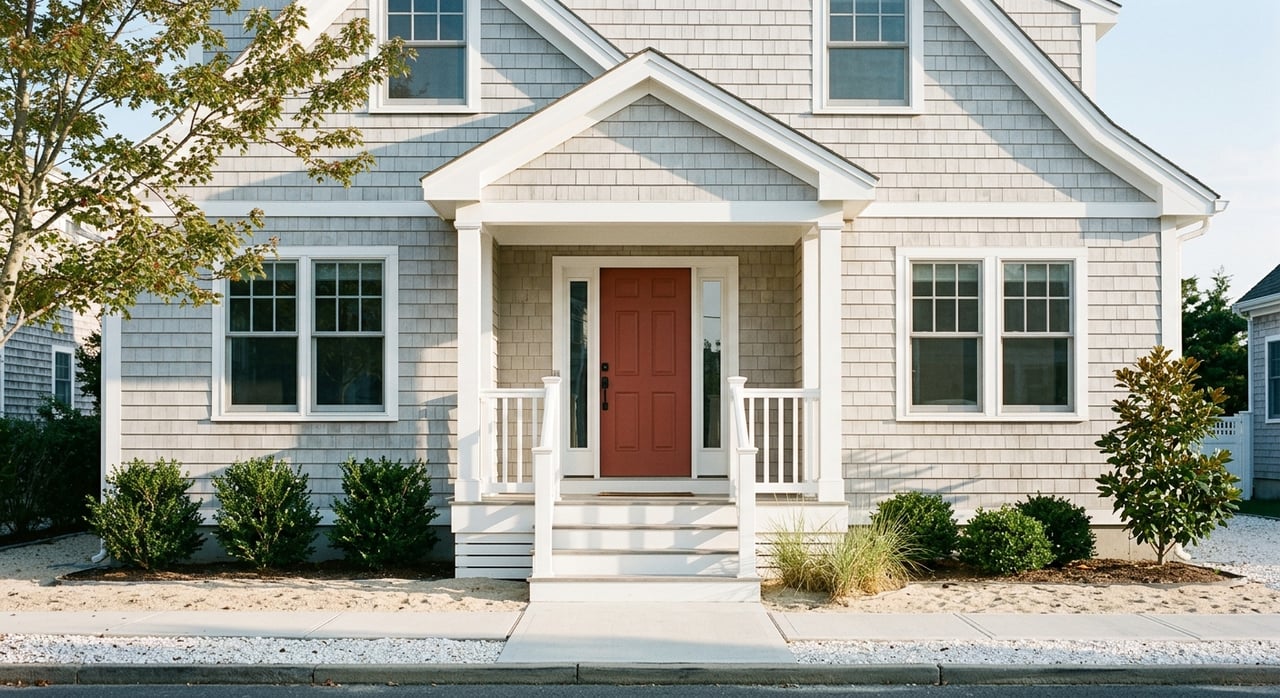
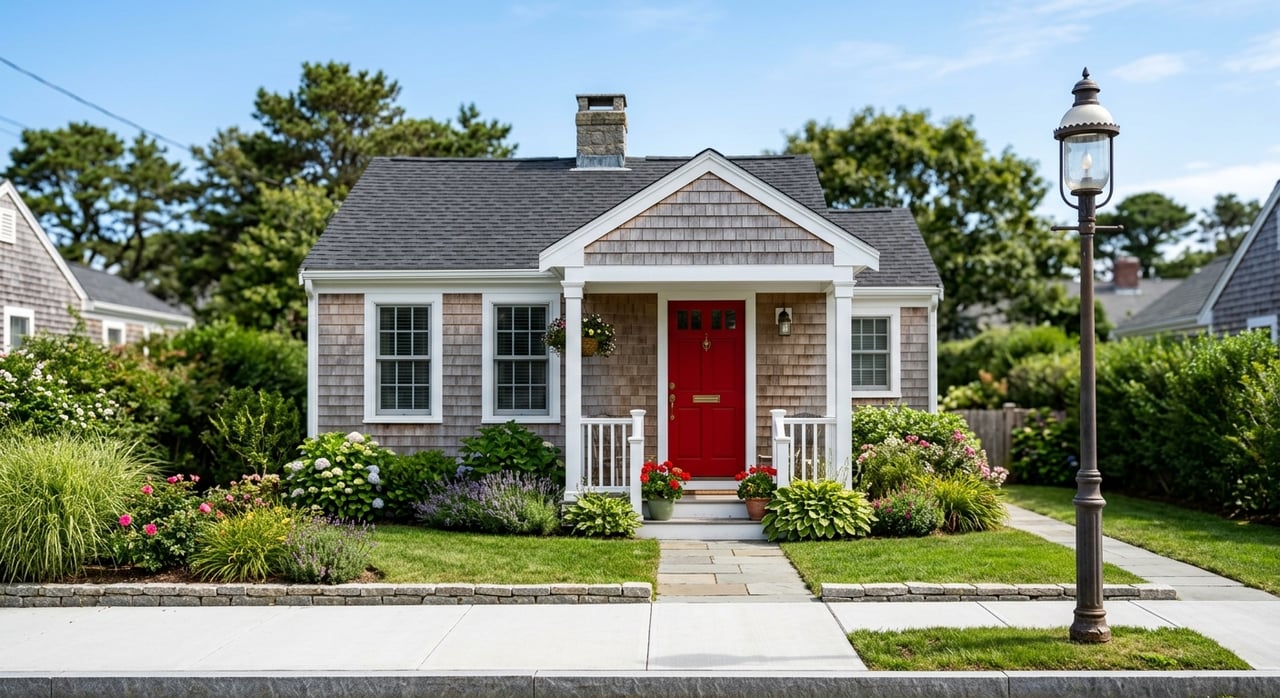
Berlin’s historic core features late-19th and early-20th century homes in styles you often see on Maryland’s Eastern Shore, including Victorian, Queen Anne, Colonial Revival, and early Craftsman. You’ll find mature trees, sidewalks, and a short walk to Main Street’s shops, restaurants, and community events. Many buyers love the character, millwork, and classic front porches that set these homes apart.
Because the historic area is protected, exterior changes visible from the street usually require review by the Town’s Historic District Commission. Before planning a new roof, windows, or an addition, check the Town of Berlin Historic District Commission guidelines so your timeline and materials meet local standards. For background on architectural history and potential rehab guidance, the Maryland Historical Trust is a useful resource.
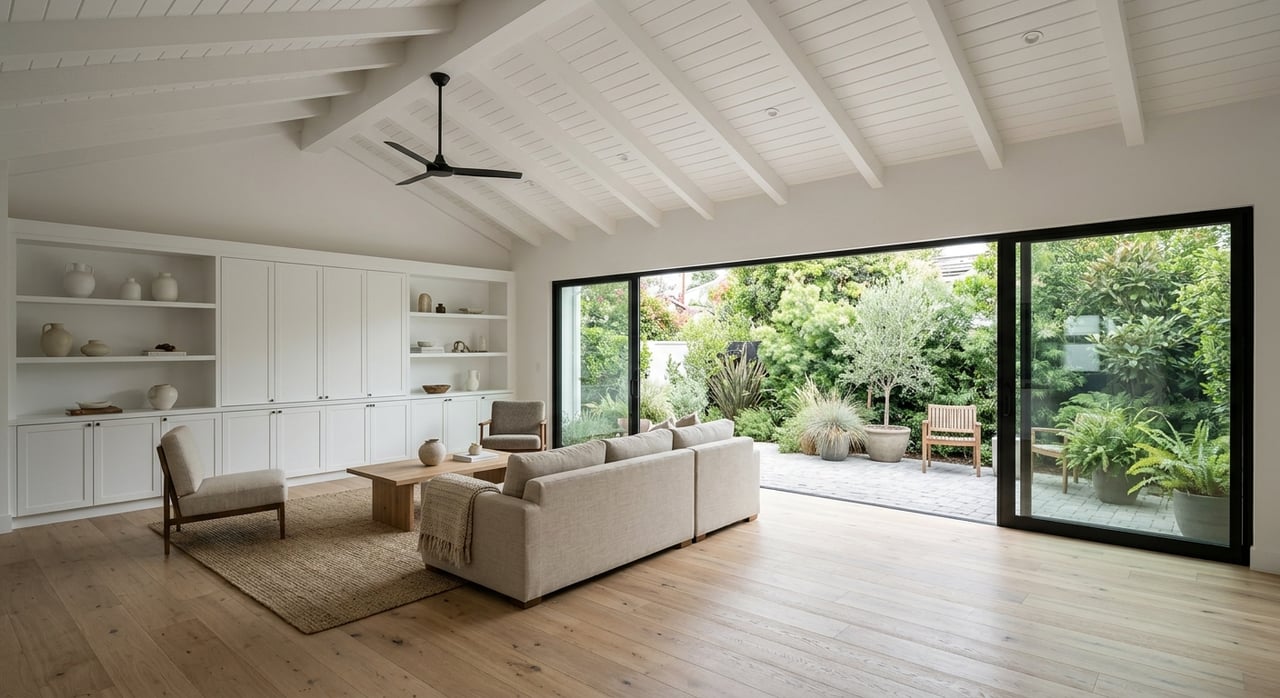
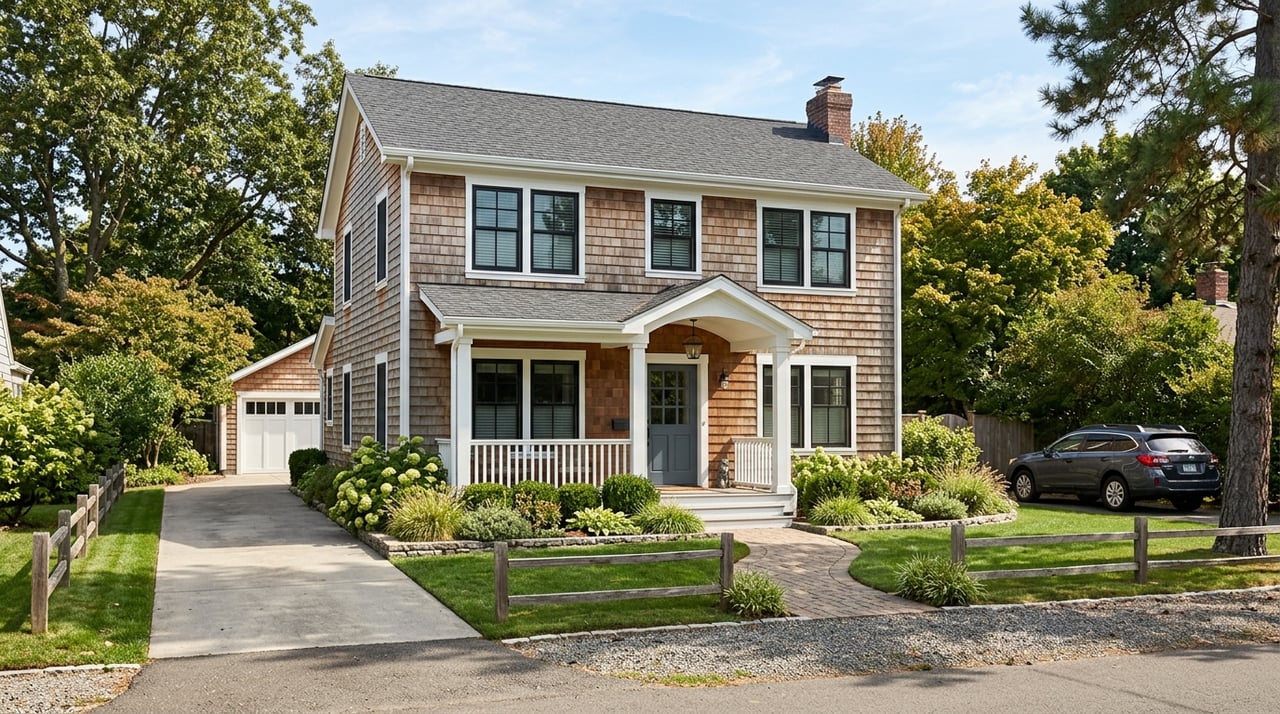
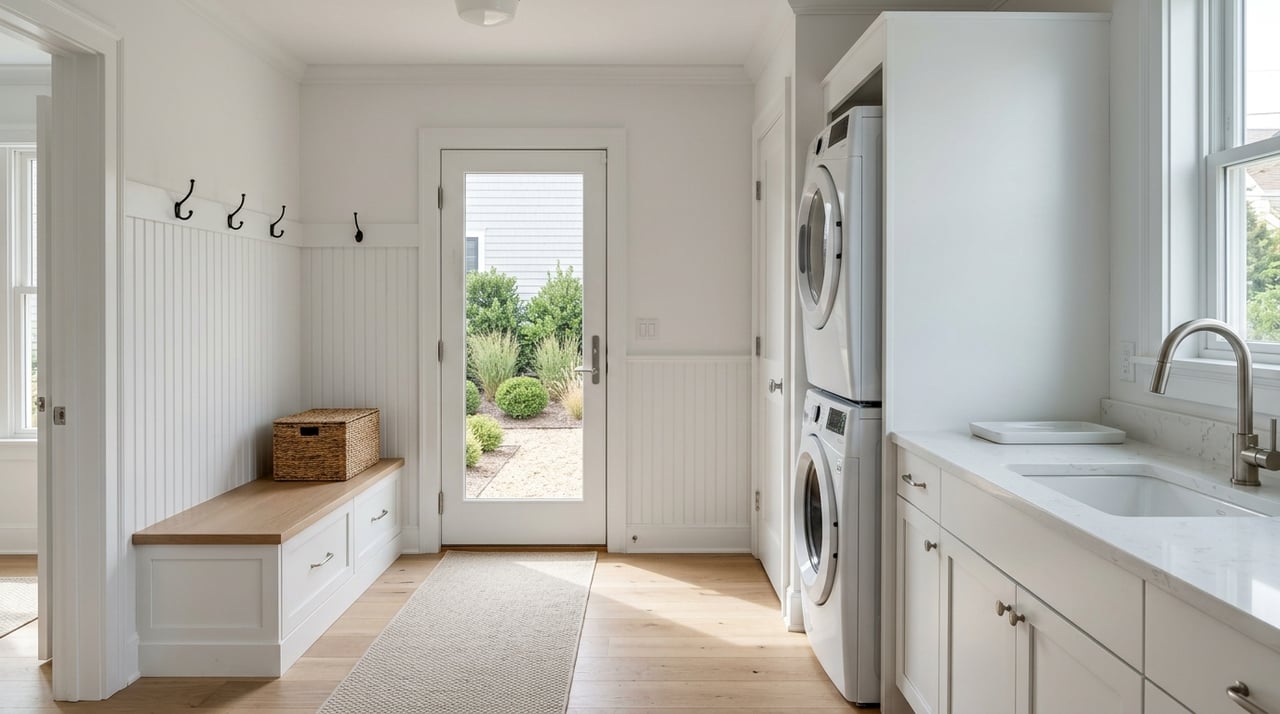
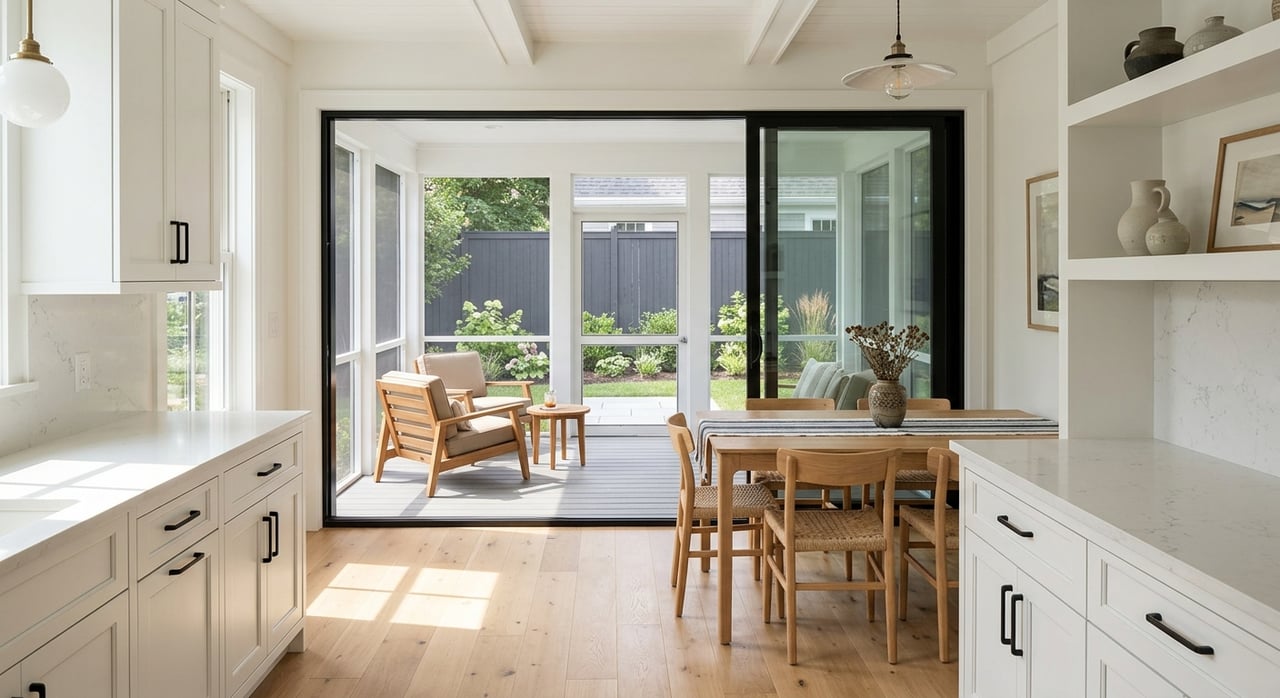
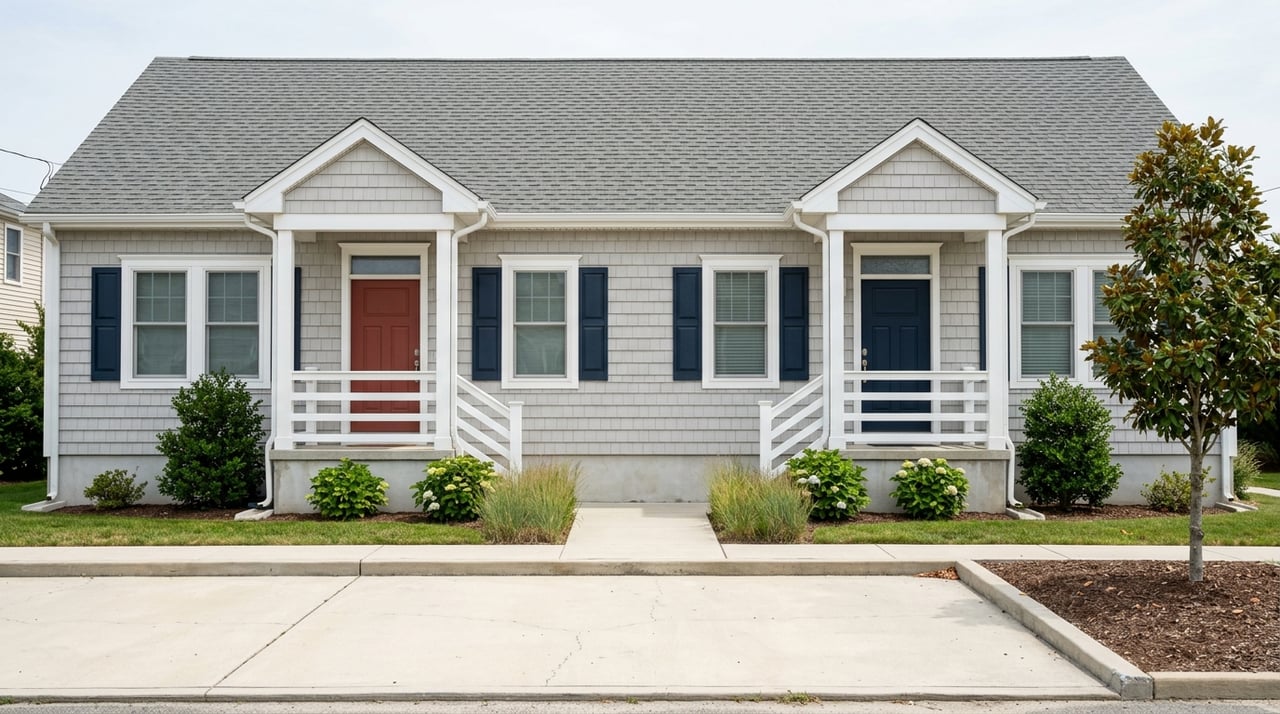
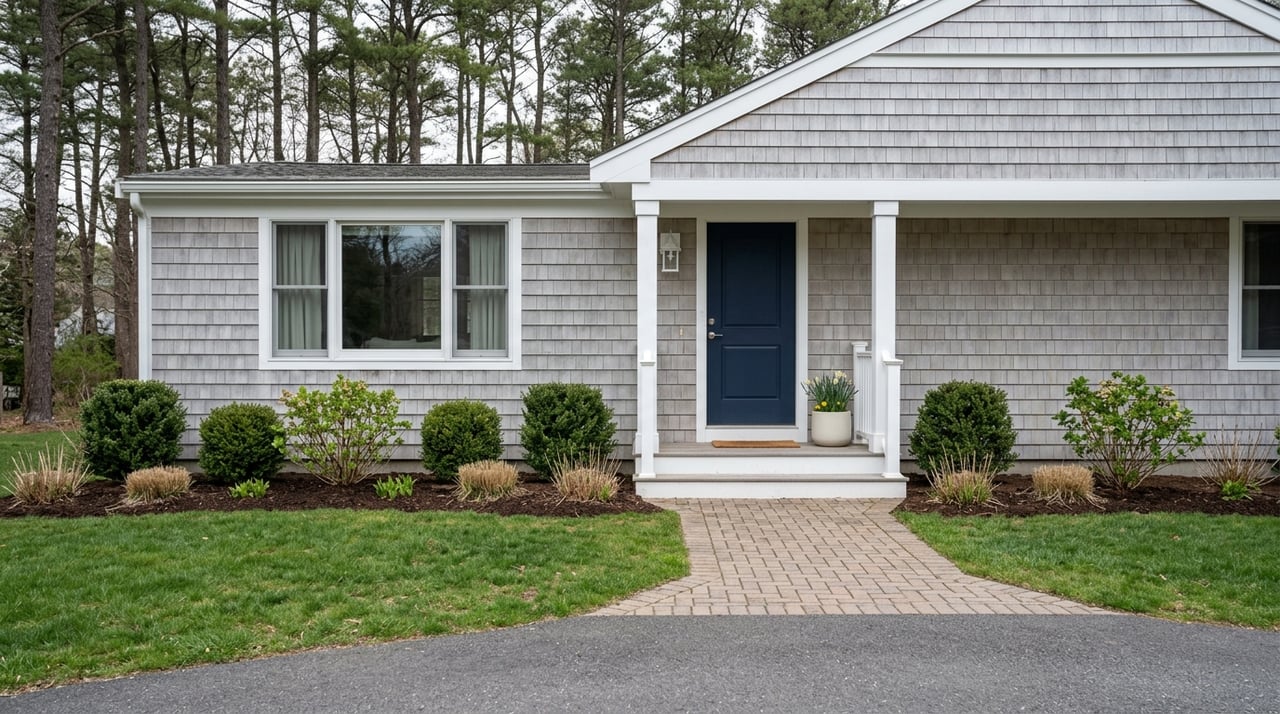
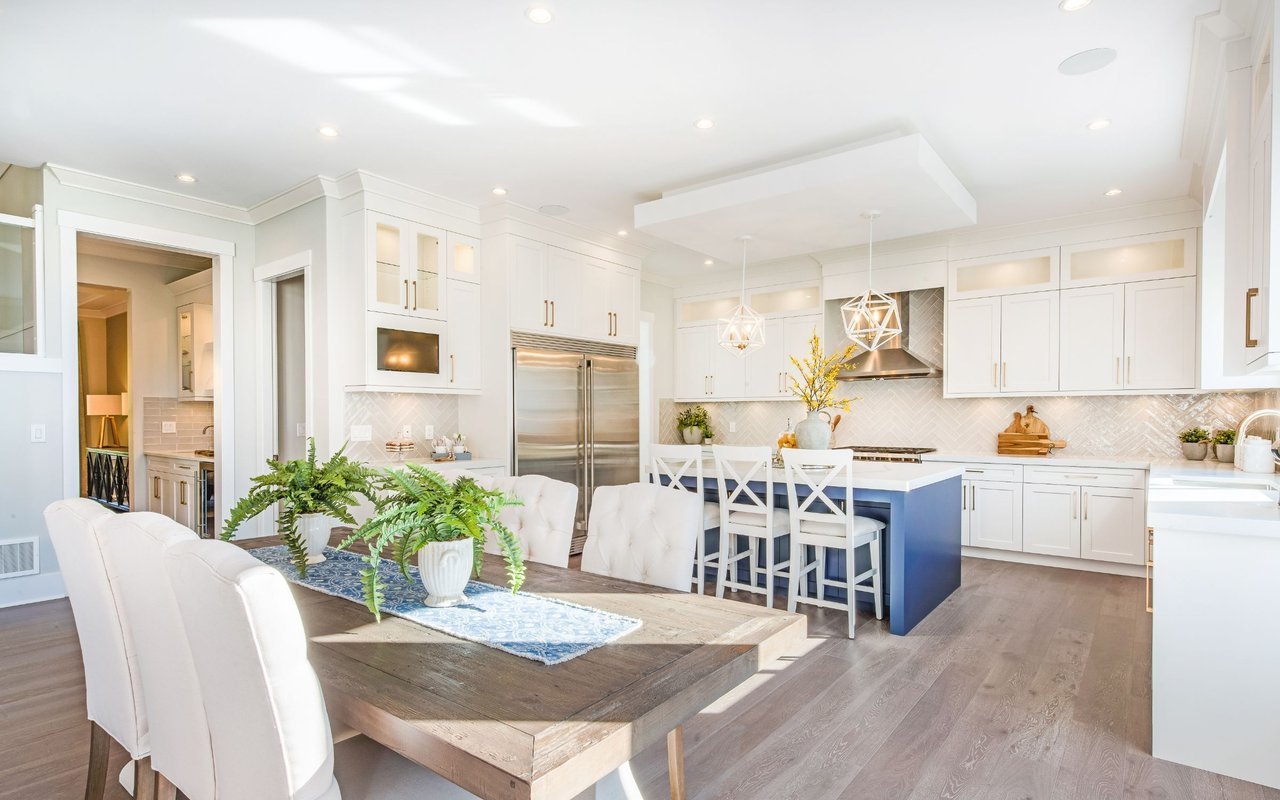
Newer subdivisions around Berlin typically offer open floor plans, larger kitchens, primary suites, attached garages, and contemporary systems. Lots may be larger or follow suburban patterns like cul-de-sacs, and you’ll often see underground utilities and modern stormwater design. Many communities include HOAs that maintain common areas and set design rules.
The big draw is convenience. You get modern code compliance, improved energy efficiency, and new mechanicals that reduce short-term maintenance. Warranties can add peace of mind while you focus on living rather than fixing.
If you want to walk to dinner, coffee, or a gallery opening, the historic core is your most walkable option. Downtown is where you’ll find the most mixed-use activity and community events. Newer neighborhoods may include sidewalks and small parks, but most errands will require a quick drive.
Beach days are easy from most parts of Berlin. Actual drive times to Ocean City or Assateague vary with route and seasonal traffic, so check live directions when timing trips. To compare neighborhood walkability, you can use Walk Score estimates as a starting point.
Older homes come with unique materials and systems. Budget time and money for inspection and upkeep.
What to expect with historic homes
New-build considerations
In the historic district, exterior work visible from public streets typically needs advance approval. Common examples include replacement windows, siding, porch changes, roof materials, and additions. Start with the Town of Berlin Historic District Commission to understand what is allowed and how long approvals take.
In newer subdivisions, HOAs set community standards. Rules may cover exterior colors, fencing, sheds, and parking. Inside and outside town limits, utility setups can differ. Some homes have town water and sewer, while properties outside town boundaries may rely on private wells and septic. Confirm utilities and permitting with the Town before you buy.
Berlin sits inland from the barrier islands, but it is still part of the coastal plain. Flood risk can vary by street and elevation. Review the property’s status on the FEMA Flood Map Service Center. If the home is in a Special Flood Hazard Area, your lender will require flood insurance.
Even outside mapped high-risk zones, it is smart to review drainage and historic water issues. For local policy and floodplain questions, check Worcester County floodplain resources and request quotes from insurance providers for wind and flood coverage.
A practical rule of thumb for older homes is to plan an annual maintenance reserve of about 1 to 3 percent of the home’s value. Your actual costs will depend on condition, materials, and project scope. Historic renovations that use period-appropriate methods can be more expensive and take longer to schedule.
Some financial incentives for historic rehabilitation focus on income-producing properties. Programs and guidance evolve, so review current details with the Maryland Historical Trust and coordinate approvals with the Town before work begins.
If schools factor into your decision, verify current attendance boundaries with Worcester County Public Schools. Most households rely on private vehicles for errands and commuting. To understand market rhythms and pricing for different neighborhoods, explore resources from Maryland REALTORS and ask for current local data.
If you love walkable streets, historic details, and being close to Main Street, a historic-core home may be your best fit. If you want newer systems, open layouts, and less immediate maintenance, a newer community can deliver a smooth, turnkey experience. Think about your daily routine, desired yard size, renovation appetite, and comfort with either HDC rules or HOA covenants. Then match your must-haves with specific properties and run the numbers.
Ready to compare real homes and neighborhoods side by side, including inspections, utilities, and approval timelines? Start a personalized search and local tour plan with Nicole Rayne.
Stay up to date on the latest real estate trends.
Whether you're buying your first home, searching for a vacation retreat, or looking to invest along the coast, she provides expert guidance every step of the way.
6200 COASTAL HWY STE 101 OCEAN CITY MD 21842