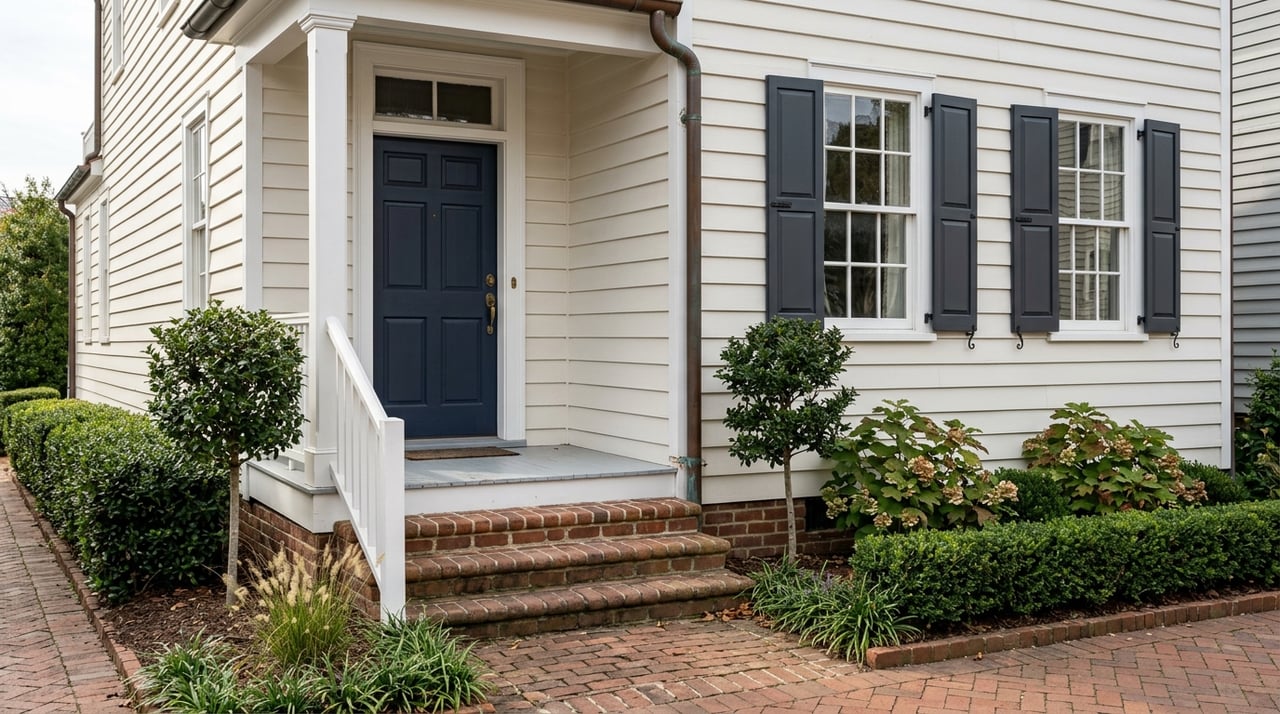
Buying A Historic Home In Berlin: What To Know
April 16, 2026
April 16, 2026
Thinking about buying one of Berlin’s older homes? It’s easy to fall for the charm first and ask questions later. If you are drawn to original details, walkable historic surroundings, and the character that newer homes often cannot match, you also need to understand how designation rules, maintenance, permits, and insurance can affect your purchase. This guide will help you sort through the practical side of buying a historic home in Berlin so you can move forward with more confidence. Let’s dive in.
Berlin has a well-established preservation identity. The Maryland State Arts Council notes that Berlin is both a Maryland Main Street community and an Arts & Entertainment District, and the Berlin Commercial Historic District is listed on the National Register with 48 resources, 43 of which are contributing.
That history helps explain why many homes and buildings in and around downtown Berlin have distinctive exterior materials and architectural details. According to the Maryland Historical Trust listing, the district was listed in 1980 and dates mainly to the 1895 to 1905 period.
One of the biggest mistakes buyers make is assuming every “historic” home comes with the same rules. In Maryland, that is not how it works.
The Maryland Historical Trust explains that National Register listing is honorary. By itself, it does not restrict a private owner’s maintenance, alterations, or sale of the property.
Local historic designation is different. Local districts often involve design review through local rules, which means some exterior changes may need an added level of approval before work begins.
In Berlin, the town’s planning and zoning resources include Chapter 104 Historic Preservation, Historic District Commission standards, and permit applications. The town’s board information also shows the Historic District Commission is part of how Berlin oversees properties within its historic zone.
Here is the key distinction to keep in mind:
That means you should never rely on the word “historic” alone in a listing description. You want to know exactly which type of designation applies to the home you are considering.
If you plan to update an older home, approval timing matters. In Berlin, historic review and standard permitting are not always the same step.
The town says in its FAQ page that the best way to determine whether a project needs a permit is to contact planning and zoning. Berlin also posts applications for building, demolition, fence, grading and excavation, and sign permits.
At the same time, the town has made clear in a council packet that Historic District Commission approval does not count as permitting approval. In other words, you may need historic review and separate permits depending on the work.
Recent Historic District Commission agenda materials show that exterior items often reviewed include:
If your dream renovation includes changing exterior features, it is smart to confirm review requirements before you close, not after.
Project timing can also affect your moving plans or renovation schedule. The town’s published Historic District Commission schedule shows first-Wednesday meetings at 5:30 p.m. and a 30-day filing deadline before regular meeting dates.
That timeline matters if you hope to close quickly and start work right away. If approvals are needed, your project calendar may be longer than expected.
A historic label is only one part of the story. You also want to know whether the property is subject to a preservation easement.
The Maryland Historical Trust explains that a preservation easement is a legal agreement tied to the property, not the owner. That means it can continue after a sale and may require MHT approval before certain changes are made.
Not every National Register property has an easement. Still, because an easement can affect future renovation plans, this is an important title issue to review early in the transaction.
A historic home inspection should go beyond the basics. Older homes often have a different maintenance rhythm, and small exterior issues can turn into larger repairs if they are missed.
The National Park Service recommends regular inspection and seasonal maintenance for small and medium historic buildings. Key areas to monitor include the attic, exterior walls, crawlspaces or basements, roofs, roof drainage, porches, windows, and foundations or perimeter grades.
Based on that NPS guidance, common issues can include:
The same guidance suggests inspecting roofs annually, roof drainage every six months, and checking exterior walls, porches, windows, and foundations annually, plus after major storms.
Because those systems often require specialized attention, many buyers benefit from working with an inspector who understands older construction methods and materials. That is not a formal rule, but it is a practical takeaway from the maintenance demands of historic properties.
Historic homes can be rewarding to own, but they often require steady upkeep instead of one big round of repairs. If you are comparing an older Berlin home with a newer property, this is one of the biggest lifestyle and budget differences.
The National Park Service notes that windows and shutters may need repainting every five to seven years depending on climate and exposure. That kind of recurring maintenance is normal for many older homes and should be part of your long-term ownership plan.
A helpful way to think about it is this: you are not just buying charm. You are also taking responsibility for preserving materials and features that may need more regular attention.
Historic-home buyers sometimes assume every improvement qualifies for a tax break. In reality, eligibility depends on the property, the use, and whether approval happens before work starts.
For owner-occupied homes, Maryland’s homeowner historic tax credit may reimburse 20% of eligible rehabilitation expenses, with a $5,000 minimum and a $50,000 cap over 24 months. The property must be a single-family, owner-occupied residence and a certified historic structure, and MHT must approve the work before it begins.
Applications are accepted year-round and are typically reviewed in 30 to 45 days once complete. If you are counting on this credit, make sure you understand the approval process before finalizing your renovation timeline.
The federal historic rehabilitation tax credit is not the same as the Maryland homeowner credit. According to the Maryland Historical Trust, the federal program applies to historic buildings in commercial or other income-producing use.
That distinction is important if you are buying a primary residence versus a property with income-producing use. Your lender and tax professional can help you review how the property’s actual use affects your options.
Insurance is another area where historic homes deserve a closer look. Coverage should reflect what it would cost to rebuild, not just what you paid for the home.
The National Association of Insurance Commissioners advises that dwelling coverage should equal full replacement cost. It also explains that replacement cost is different from market value and that insurers may reduce a claim if coverage falls below 80% of replacement cost.
For a Berlin historic home, it makes sense to ask your insurance provider about:
For older homes especially, code-related upgrades can affect repair costs after a loss. That makes ordinance-or-law coverage worth discussing before closing.
Before you move forward on a historic home in Berlin, keep this checklist handy:
Buying a historic home in Berlin can be incredibly rewarding when you go in with clear expectations. If you love the idea of character, walkability, and a strong sense of place, the right home can offer all of that. The key is making sure the property’s designation, condition, and approval path fit your plans from the start.
If you are considering a historic home in Berlin or anywhere along the coast, Nicole Rayne can help you navigate the details and find the right fit for your goals.
Stay up to date on the latest real estate trends.
Whether you're buying your first home, searching for a vacation retreat, or looking to invest along the coast, she provides expert guidance every step of the way.
6200 COASTAL HWY STE 101 OCEAN CITY MD 21842