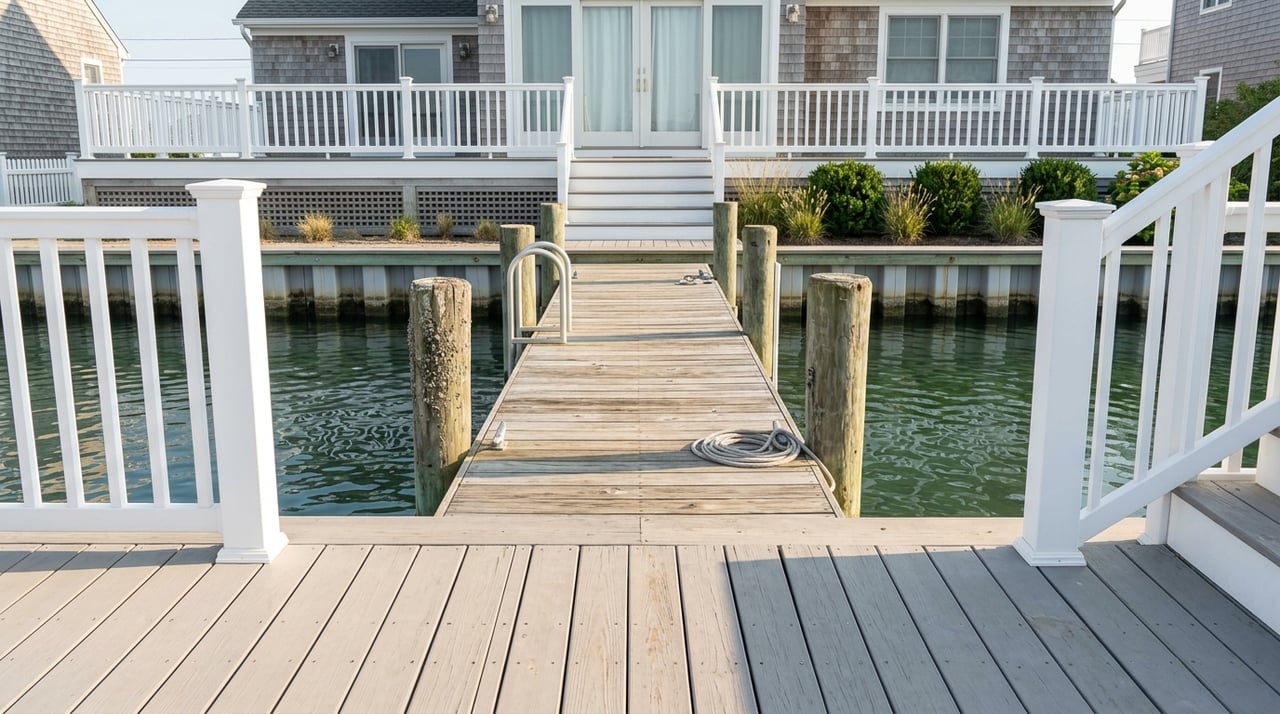
Bayfront vs Canalfront Homes In Ocean City
April 2, 2026
April 2, 2026
If you are torn between a bayfront home and a canalfront home in Ocean City, you are asking the right question early. Both give you waterfront living, but they can feel very different day to day, especially if boating, views, maintenance, or long-term ownership costs matter to you. This guide walks you through the real tradeoffs so you can match the setting to your lifestyle and buy with more confidence. Let’s dive in.
In Ocean City, bayfront usually means a home with direct frontage on the open bayside water. Canalfront usually means a home along one of the city’s interior residential canals, including areas listed by the town such as Bayshore Estates, Little Salisbury, Sunset Island, Jamestown Road, and Caine Keys II, according to Ocean City’s flood hazard information and canal master list.
That difference sounds simple, but it shapes how the property feels, how you use the water, and what you may need to verify before closing. In most cases, bayfront gives you a more open-water setting, while canalfront gives you a more sheltered, neighborhood-scale setting.
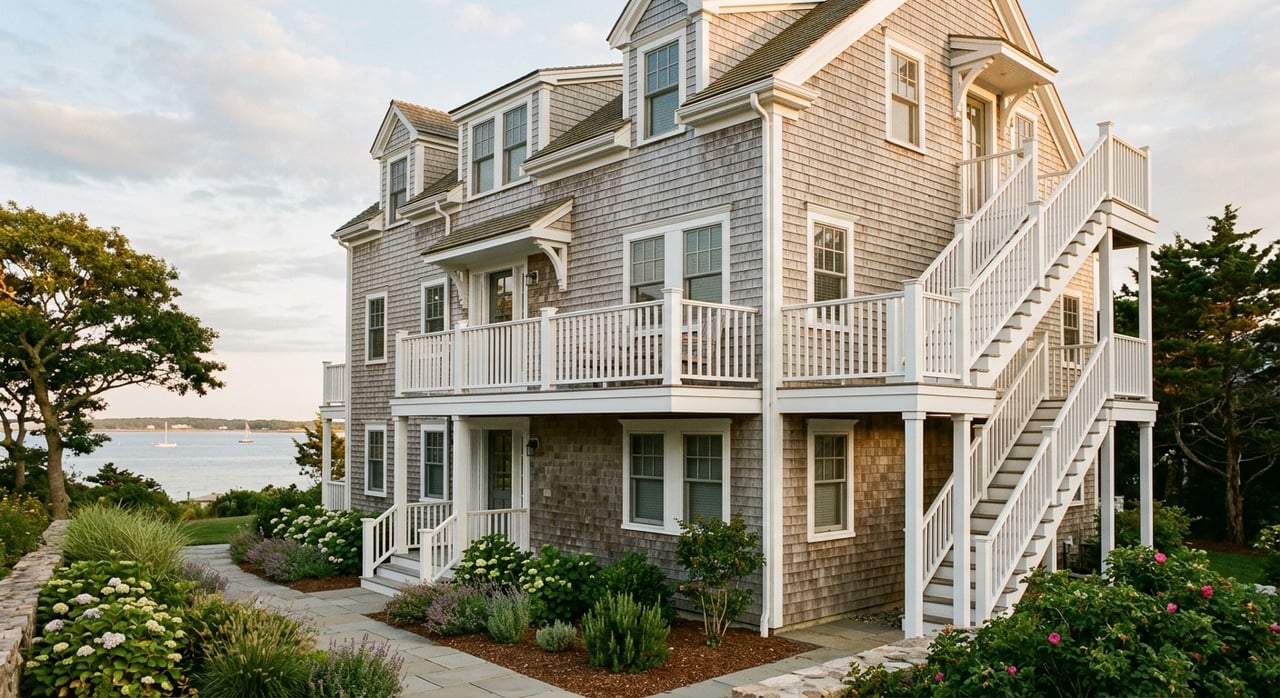
For many buyers, the biggest difference is how the home feels when you are sitting on the deck, looking out a window, or spending time near the dock. Bayfront homes generally offer broader water views, more open sightlines, and a wider visual connection to the bay. Canalfront homes usually offer tighter water views and a calmer, more tucked-in setting.
If you picture yourself enjoying bay breezes and a bigger horizon, bayfront may be the better fit. If you want a quieter place to relax by the water, watch boats pass, or keep your boat close to home in a more protected setting, canalfront may feel more comfortable.
These are not formal legal definitions. They are the practical lifestyle differences buyers usually notice most in Ocean City, based on the town’s distinction between the bayside and the canal network in its flood information resources.
If boating is a top priority, do not assume every waterfront property functions the same way. Ocean City’s rules for improvements over or next to water are handled through the Board of Port Wardens, which reviews things like docks, lifts, piers, floating docks, and bulkheads.
The city notes that new construction over water needs Port Warden approval before a separate building permit can be issued, and the process can take 1 to 6 months depending on Maryland Department of the Environment timing and contractor availability. The town also makes clear in its Port Wardens FAQ that view is not a permitting criterion. Instead, the focus is on environmental impact, navigable waterways, and compliance with town code.
For private waterfront improvements, Ocean City says new docks, piers, wharves, or mooring piles may extend no more than 20 percent of the waterway width, no more than 50 feet over wetlands, and must leave at least 40 feet of waterway open for navigation. The city also states that piers and floats are limited to 200 total square feet, as outlined in the Atlantic Coastal Bays Critical Area guidance.
That matters a lot on canalfront properties. Canal widths vary by location, so one canalfront home may accommodate your boating needs very differently than another. A slip that works well in one neighborhood may feel too tight or too shallow elsewhere, which is why the town’s master canal list can be a helpful starting point.
Not every waterfront property gives you the same type of dock rights. In some townhouse-style waterfront communities, boating access may rely on a shared or community pier system rather than a private dock for each home.
Ocean City’s code says that when community piers or slips are provided as part of a new development, private piers are not permitted for each individual lot, according to the city guidance document. That means condo and townhouse buyers should read HOA documents carefully and confirm whether the slip is deeded, assigned, shared, or part of a common element.
For single-family buyers, the question is often different. You may need to verify whether the lot actually supports the dock, lift, or boat setup you want under current rules and physical conditions.
Canalfront ownership often comes with more moving parts on the maintenance side. Ocean City’s Engineering Department says it maintains access through canal dredging and bulkhead maintenance efforts, but there are important limits to what the town handles.
The city says it will dredge the canal channel, not private boat slips. It also says canal work will not begin unless the shoreline is stable, and property owners remain responsible for bulkheads or other shoreline protection. In other words, public dredging helps navigability in the canal itself, but it does not remove the need for private due diligence.
According to Ocean City’s canal dredging program, canals are prioritized by average depth, and the town has stated that some canals had filled in enough over time to become less navigable. The city also estimates about $400,000 per year to complete the initial dredging plan, which shows that canal maintenance is an ongoing municipal issue, not a one-time project.
Before you buy any waterfront home, it helps to know who is responsible for what. Ocean City says in its Port Wardens FAQ that if a slip is individually deeded, the owner is responsible for bulkhead maintenance. If the waterfront area is part of a shared common area, responsibility is typically handled by the HOA.
The same FAQ notes that Ocean City keeps online permit records by street. That can help you verify whether prior dock, bulkhead, or related marine work was approved. It is one of the easiest ways to learn more about the property’s history before you commit.
The town also says marine work is generally not a casual DIY project. A licensed Maryland marine contractor is required for marine construction, and even replacing decking boards on a dock or pier can trigger permitting rules if the footprint changes.
Whether you choose bayfront or canalfront, flood planning is part of buying in Ocean City. The town’s flood hazard information page says all property in Ocean City is at some level of risk.
The same page notes that bayside base flood elevations are generally 4 to 6 feet above mean sea level. Ocean City also recommends flood insurance for all properties because standard homeowners insurance policies typically do not cover flood damage.
This is one area where local, property-level research matters more than general assumptions. The town participates in the National Flood Insurance Program and can provide property-specific flood hazard information, which can help you understand the home’s flood zone, elevation context, and insurance considerations.
Bayfront homes often appeal to buyers who care most about the overall waterfront experience.
You may prefer bayfront if you want:
If your dream is to enjoy sunsets, wider bay views, and a more expansive waterfront setting, bayfront is often the natural first choice.
Canalfront homes often appeal to buyers who want a more protected and practical boating setup near the house.
You may prefer canalfront if you want:
For many buyers, canalfront feels more functional for day-to-day boating use. That said, the details of width, depth, slip layout, and ownership structure still need to be confirmed on a property-by-property basis.
No matter which setting you prefer, a few questions can save you time and help you avoid surprises later. Based on Ocean City guidance, these are smart questions to ask during your search:
If you are comparing a single-family home to a townhouse or condo-style waterfront property, pay extra attention to HOA documents, common area responsibilities, and whether your boating rights are private or shared.
There is no one-size-fits-all winner in the bayfront vs canalfront debate. Bayfront usually suits buyers who want open vistas and a more scenic waterfront feel. Canalfront usually suits buyers who want protected water access, a quieter setting, and boating convenience close to the house.
The key is to match the property to how you plan to use it. If you want help comparing Ocean City waterfront homes, understanding slips and bulkheads, or narrowing your search based on lifestyle goals, Nicole Rayne can help you sort through the details and find the right fit for your coastal plans.
Stay up to date on the latest real estate trends.
Whether you're buying your first home, searching for a vacation retreat, or looking to invest along the coast, she provides expert guidance every step of the way.
6200 COASTAL HWY STE 101 OCEAN CITY MD 21842