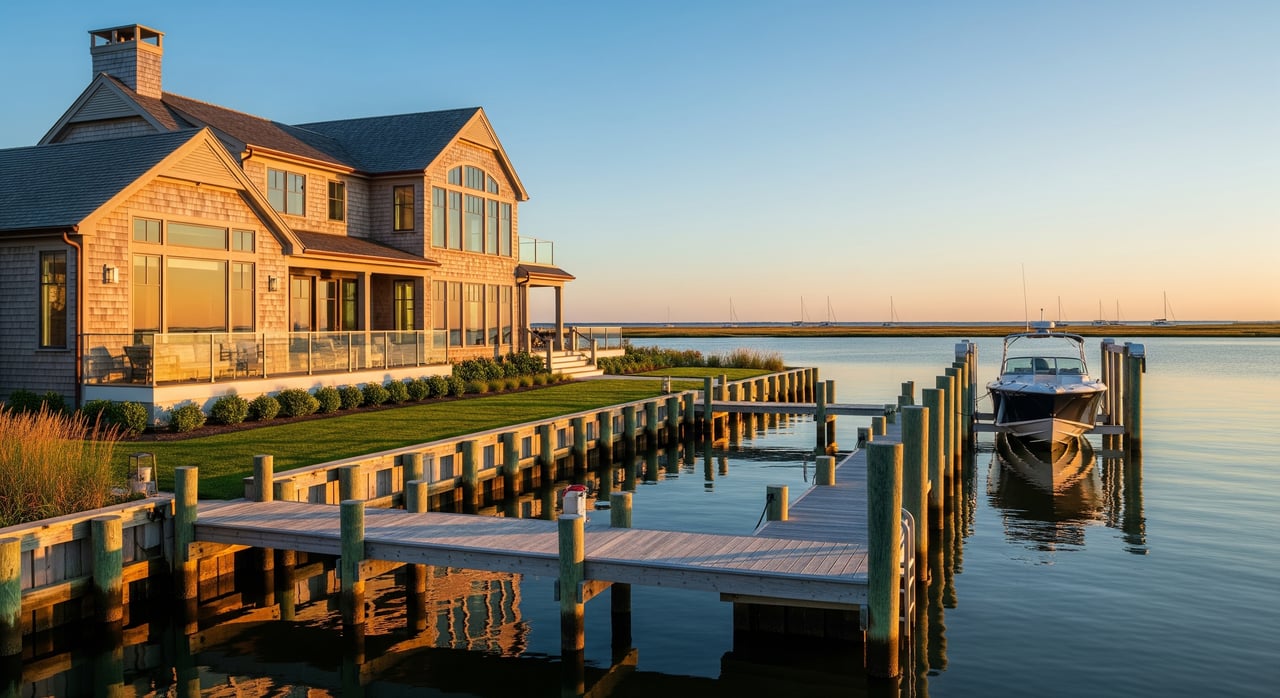
Strategic Pricing for Ocean Pines Waterfront Homes
January 15, 2026
January 15, 2026
Pricing a waterfront home in Ocean Pines is not about square footage alone. If you miss key details like boat access or flood elevation, you risk overpricing and sitting on the market, or underpricing and leaving money on the table. You deserve a clear, data-backed number that reflects how buyers actually shop bayside and canal-front homes. In this guide, you’ll learn exactly how to price with confidence using local factors, smart list-price tactics, and the right prep. Let’s dive in.
Access and depth are top drivers of value. Direct bayfront usually commands the strongest pricing, followed by canal-front with reliable, deep-water access. Shallow or narrow canals can limit boat size and navigation, which affects buyer demand. Be specific about tidal depth and routes to open water because boaters make decisions on these details.
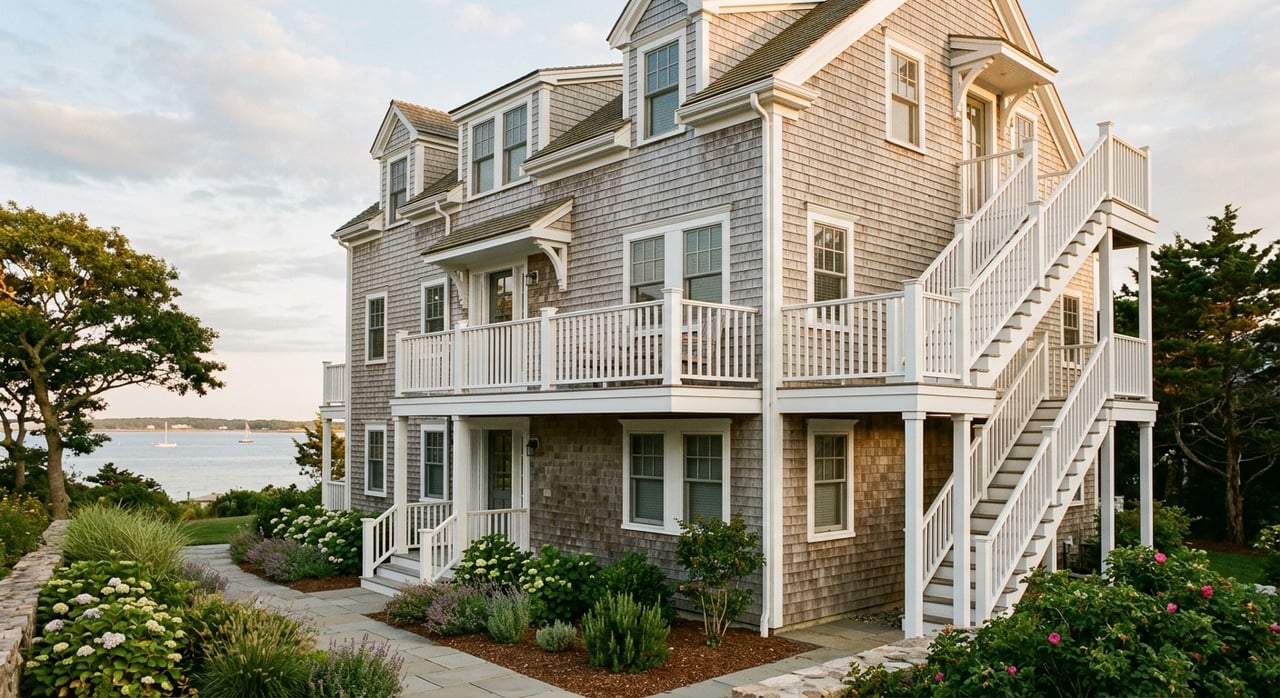
Linear waterfront footage matters, and so does the quality of that edge. Bulkheaded frontage in good condition can support stronger pricing than aging or natural edges that need work. A permitted dock or lift that fits larger craft increases marketability. Document permits, lift capacity, and any recent dock or bulkhead upgrades.
Open bay views and unobstructed sightlines are premium features. Western exposures that capture sunsets are often preferred. If your lot has long, wide views or sightlines down a canal toward open water, highlight that in pricing and marketing.
Higher finished-floor elevations reduce perceived flood risk and can lower flood-insurance premiums. Buyers weigh flood-zone status and elevation certificates when comparing homes. A higher, well-elevated structure helps support a stronger ask because it reduces long-term cost concerns for the next owner.
Salt air is tough on systems and finishes. Recent HVAC, roof, windows, and corrosion-resistant materials support better pricing. Thoughtful outdoor spaces like decks, patios, and waterfront seating also improve appeal. A clean, functional floor plan helps buyers picture year-round or second-home living.
Use recent closed sales on the same or similar waterways first. Bayfront should anchor bayfront. Canal-front should anchor canal-front with similar depth and width. Pull active and pending listings to understand current price bands and time on market. In Ocean Pines, seasonality and tourism demand can shift showing activity, so recent comps are essential.
Make clear, defensible adjustments for linear frontage, dock condition, water depth, and elevation differences. A longer, bulkheaded frontage, newer lift, or deeper waterway can justify a higher price inside a tight comp set. Keep square-foot analysis in context because waterfront value is driven more by water utility and risk than interior size alone.
If nearby sales are limited, expand carefully to the closest similar canal or bay setting. Document why you selected each comp and how you adjusted. Appraisers will require a similar approach, so building your pricing story now helps you survive underwriting later.
When you want a timely sale in a stable market, anchor your list price to realistic value from direct comparables. This strategy reduces days on market and sets a cooperative tone with buyers and appraisers.
If your home checks top boxes like deep water, long frontage, newer dock, strong elevation, and updated systems, a high-end list within the comp range can work. Be ready to justify your stance with detailed notes on dock specs, water depth, and elevation data.
If the home needs work, or the bulkhead or septic will need attention soon, price below market and highlight the upside. Investors and contractors respond to a clear path to value, especially near Ocean City where rental demand is strong.
In strong seller markets, pricing slightly under a rounded threshold can boost exposure and showings. In niche waterfront segments, use this sparingly because serious buyers search by utility and specific attributes more than perfect round numbers.
Flood insurance can be required depending on the flood zone. Have realistic estimates ready so buyers understand total cost of ownership. Lenders and appraisers rely on nearby waterfront comparables and may need more context for unique features. Cash buyers and those with larger down payments are common in this segment because insurance and appraisal steps can be complex.
To verify flood zones and gather documentation:
Professional photography and drone video are essential for waterfront homes. Show access routes, views, and proximity to Ocean City. Include dock specs, water depth, lift details, and navigation notes in your listing copy. Provide a simple one-page summary of operating costs like flood insurance, homeowners insurance, HOA dues, and typical dock maintenance.
Showings often peak in spring and summer as the boating and beach season ramps up. If inventory is thin, listing earlier can still pay off. Weigh visuals and buyer demand against your timeline and market conditions.
Waterfront owners face flood and storm-surge risk, plus saltwater corrosion. Premiums and maintenance can be higher than inland homes, which affects what buyers can afford. Confirm flood zoning and discuss elevation certificates so you can price with realistic holding costs. To research site-specific conditions, use the FEMA Flood Map Service Center and the NOAA Sea Level Rise Viewer.
Bulkhead and dock replacement are long-term capital items that can be significant. Buyers will ask about condition, permits, and timelines. Getting a marine-savvy contractor or surveyor to walk the site before listing helps you price accurately and negotiate with confidence.
Waterfront improvements often involve wetlands, critical-area setbacks, and riparian rights. Verify permit history for docks and shoreline work, and disclose any known easements or limitations. For guidance, review the Maryland resources at the Maryland Department of the Environment wetlands and waterways guidance and Maryland DNR Critical Area guidance.
In Ocean Pines, community amenities, dues, marina rules, and slip availability influence value. Buyers want clarity on fees and operations. Check current information with the Ocean Pines Association and include any relevant details in your pricing packet.
Create a shore-specific comp workbook before you hit the market. Include notes on water depth, frontage length, dock permits and condition, elevation differences, and recent system updates. This helps the appraiser understand features that are not visible at a glance and supports your price if the appraisal is tight.
Request pre-approval or proof of funds, plus confirmation that buyers have reviewed flood-insurance options. For higher-priced homes, be ready to discuss appraisal-gap clauses or, when appropriate, a path to a second appraisal. The goal is to keep a fair deal on track even if underwriting gets detailed.
Ready to price your Ocean Pines waterfront home with confidence? Get local, concierge-level guidance and a clear pricing plan from Nicole Rayne. Let’s position your home to win in today’s market.
Stay up to date on the latest real estate trends.
Whether you're buying your first home, searching for a vacation retreat, or looking to invest along the coast, she provides expert guidance every step of the way.
6200 COASTAL HWY STE 101 OCEAN CITY MD 21842