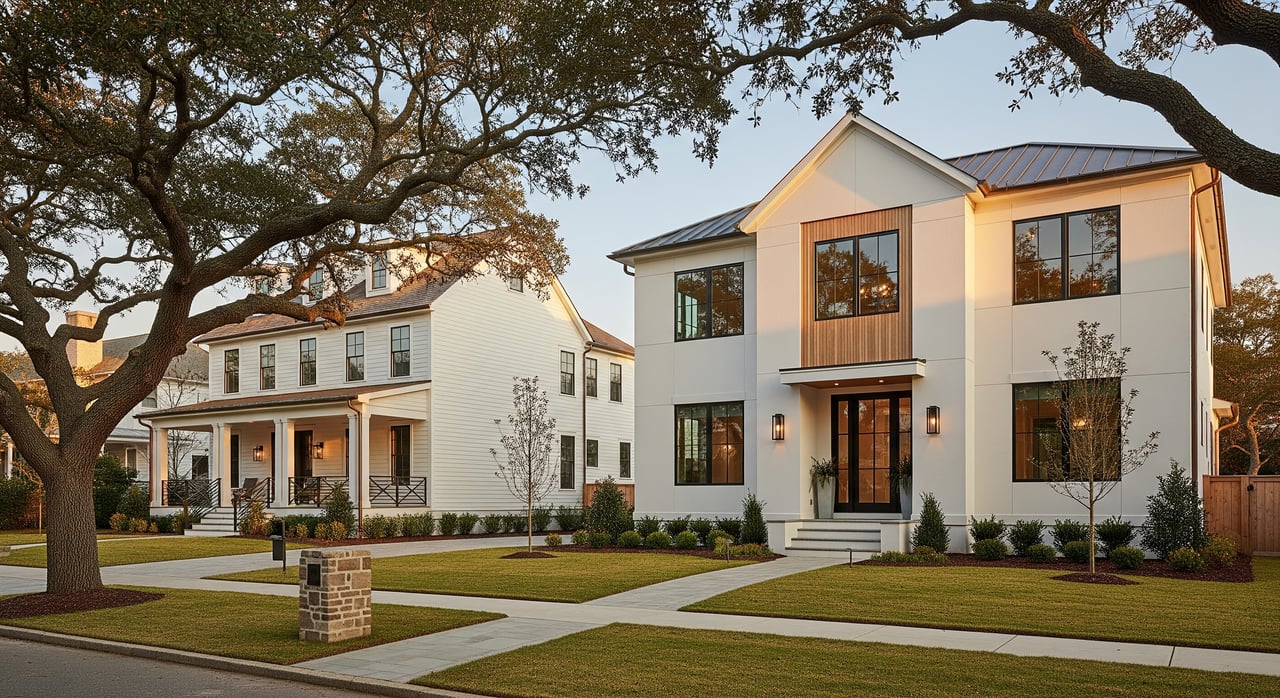
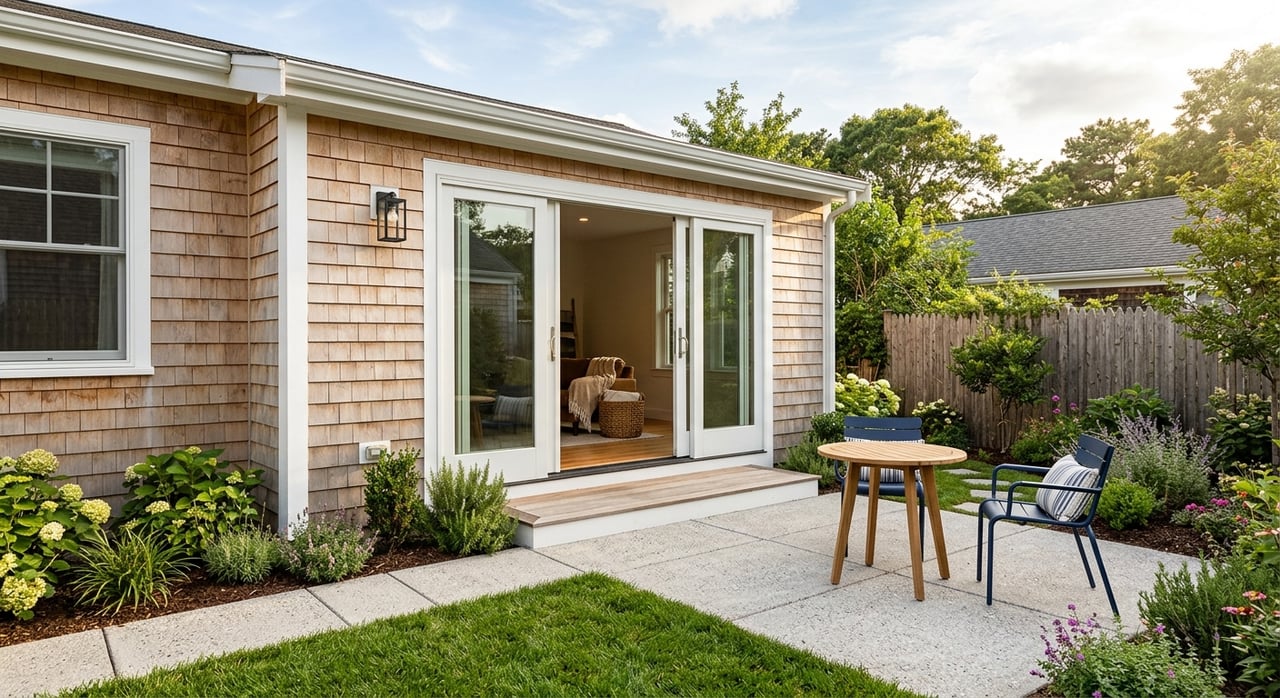
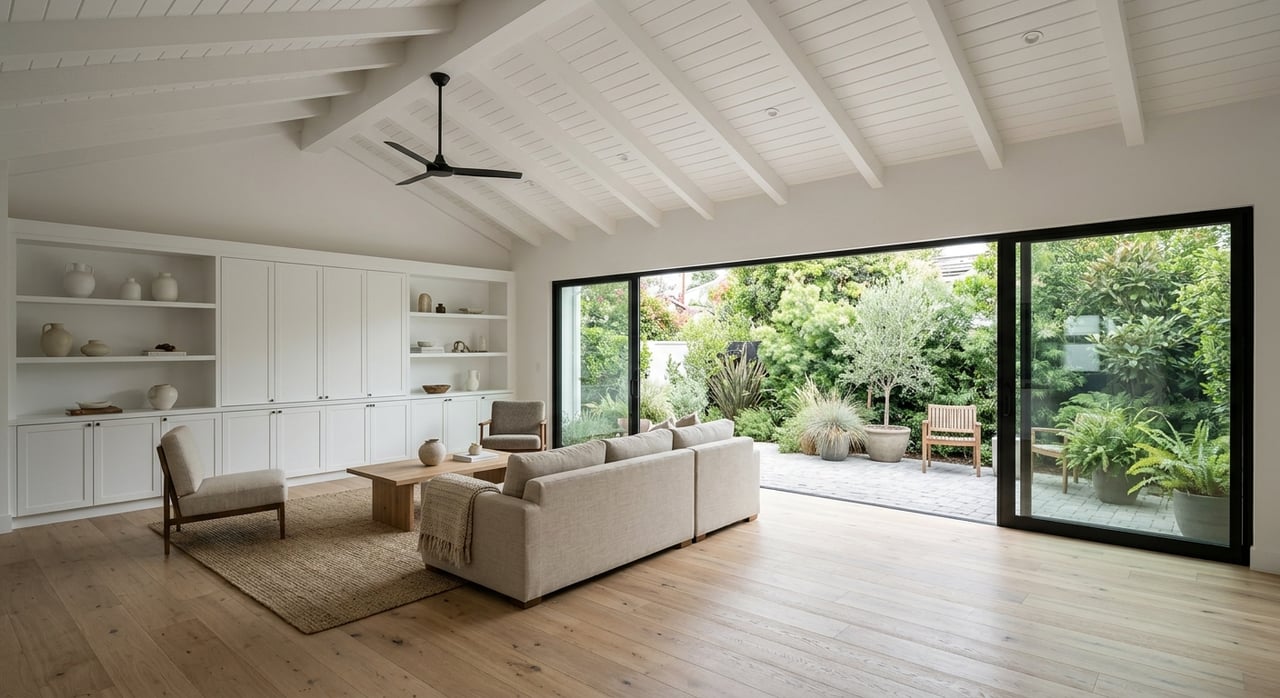
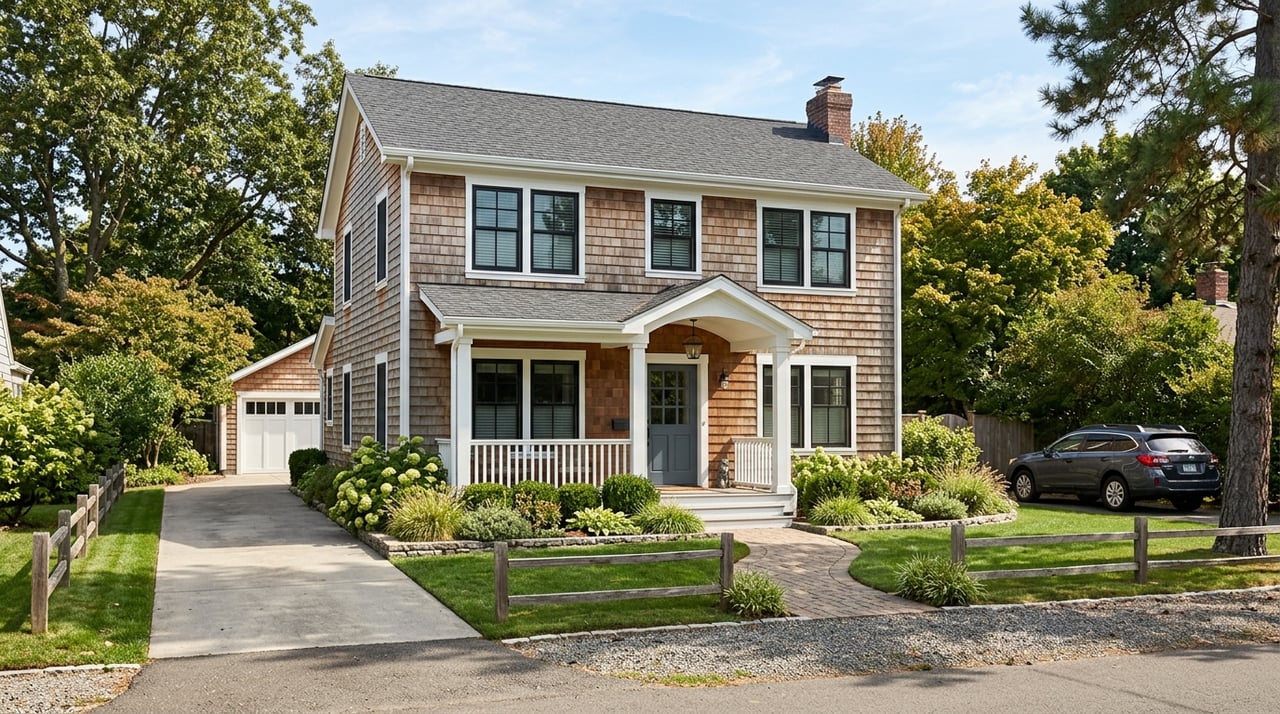
Torn between a brand-new home and a lived-in charmer in Selbyville? You are not alone. With the beaches nearby and a mix of year-round residents, retirees, and second-home buyers, the choice can feel complex. In this guide, you will learn the key trade-offs, costs, inspections, insurance factors, and local considerations that matter most in Selbyville. By the end, you will have a clear plan to choose with confidence. Let’s dive in.
Selbyville market context you should know
Selbyville sits just inland from Fenwick Island and Bethany Beach, so demand often includes vacation and second-home buyers alongside locals. Seasonal rental interest and retiree demand shape what sells quickly and which features command a premium.
Proximity to the coast means you should factor flood exposure, storm resilience, and insurance availability into any decision. Many new communities include HOAs with amenities and covenants, while established neighborhoods may have lower dues or none at all. County permitting rules, flood maps, and recorded covenants are part of smart due diligence here.
New construction: what you gain
Modern codes and energy efficiency
New homes are built to current codes. You often get better insulation, windows, and HVAC efficiency compared to older homes. That can mean lower utility costs and fewer immediate repairs.
Customization and incentives
If you buy early in the build, you can choose finishes and layout options. Builders sometimes offer incentives during slower periods, such as rate buydowns or closing cost credits through preferred lenders.
Warranties and low maintenance
New systems and materials reduce near-term maintenance. Many builders follow a version of the common 1-2-10 warranty model, though coverage varies by builder. Get the exact terms in writing and keep them handy.
Local watchouts for new builds
- Timelines can stretch. Weather or supply delays may push your closing date.
- Pricing can climb with upgrades, lot premiums, and landscaping choices.
- Appraisals can be tricky in brand-new subdivisions with few comparable sales.
- HOAs may have start-up costs and evolving assessments as amenities open.
- Lot selection matters. Pay attention to drainage, orientation, privacy, and any floodplain influences.
Resale homes: why they appeal
Faster move-in and potential savings
You can often close in 30 to 60 days. Sellers may negotiate on price, concessions, and inclusions like appliances or furniture. You also see established utility costs and tax history.
Established neighborhoods and ease of appraisal
Mature landscaping and a settled neighborhood character are common benefits. Appraisals are typically more straightforward with plenty of comparable sales.
Trade-offs to plan for
- Older roofs, HVAC, and water heaters may need replacement sooner.
- Past renovations may not have complete permit records. Verify them.
- Energy efficiency can lag without upgrades. Budget accordingly.
Dollars and sense: cost, financing, and insurance
Financing paths
- Resale homes usually fit conventional, FHA, VA, or USDA loan programs with a standard process.
- New construction may require a construction-to-permanent loan or approval of the builder. Some builders offer preferred lenders with incentives that affect rate or closing costs.
- Appraisals on new builds sometimes rely on the cost approach and limited comps. If the appraisal comes in low, be ready to renegotiate or increase your down payment.
Upgrades, closing costs, and impact fees
- New construction budgets should include finishes, change orders, lot premiums, landscaping, and sometimes appliances beyond the base price.
- Builders may contribute to certain closing costs or offer credits. On resales, sellers often negotiate buyer credits or repairs.
- New homes can trigger impact fees and new utility hook-up costs. Review fee schedules before you commit.
Insurance, flood, and storms
Selbyville’s coastal influence makes flood designations important. Your lender will require flood insurance if the home is in a mandatory zone. Even properties outside high-risk zones can face higher premiums due to proximity to the coast. Ask for quotes early and confirm windstorm or storm surge coverage if needed. Keep in mind that insurance cost affects your monthly payment and loan approval.
Taxes, HOA dues, and operating costs
New builds may see assessments rise after completion. In HOA communities, review dues and any planned assessments. New homes often have lower utilities thanks to efficiency, but lot size and irrigation can add up.
Selbyville-specific decision guide
Choose new construction if:
- You want modern design, efficiency, and the chance to pick finishes.
- You prefer a warranty and minimal short-term maintenance.
- You can manage a flexible timeline if the builder’s schedule shifts.
- You value new community amenities and do not mind HOA rules and dues.
Choose resale if:
- You need to move quickly or coordinate a sale and purchase in a tight window.
- You want established neighborhoods with known utility and tax histories.
- You are comfortable budgeting for updates or repairs in exchange for price and negotiation flexibility.
- You want easier appraisal comparisons and clear recent sales data.
For second-home and investment buyers:
- New construction can attract renters with amenities, modern interiors, and low maintenance early on.
- Resale homes in established areas with proven rental histories and documented flood or elevation improvements can be compelling, especially closer to the coast.
Due diligence checklists
Questions to ask builders
- What is the exact base price and inclusions? Are appliances and landscaping included?
- What are typical upgrade ranges for flooring, cabinets, counters, and outdoor spaces?
- What is the build timeline and contingency plan for delays?
- What are the warranty terms and claim process? Provide them in writing.
- What is your history in Sussex County and how do you handle warranty service?
- Will you allow independent inspections at pre-drywall and final stages?
- What are the HOA covenants, monthly dues, and any start-up assessments?
- Are there lot-specific issues like drainage, easements, wetlands, or septic versus sewer?
Questions to ask when considering a resale home
- How old are the roof, HVAC, water heater, and major systems, and are service records available?
- Were renovations permitted and finaled with the county? Can we see records?
- Any past or present water intrusion, mold, or pest issues? Any mitigation work?
- What is the flood zone and history of the property? Is there an elevation certificate?
- What are typical utility costs and the property tax history?
Inspection milestones
- New construction: order a pre-drywall inspection, then a detailed final inspection that covers grading and drainage. Confirm the certificate of occupancy and document punch-list items at the walkthrough.
- Resale: schedule a general home inspection, plus termite, radon if recommended, septic or sewer lateral checks as applicable, and specialty reviews for the roof or chimney if needed.
Smart negotiation plays
- New construction: focus on upgrades, lot selection, incentives like rate buydowns or closing credits, and clear milestones for substantial completion. Review any price escalation clauses and remedies for delays.
- Resale: use inspection findings to negotiate repairs, credits, or a price reduction. Consider appropriate contingencies if you need to sell before buying.
If you are buying and selling at once
Decide whether to sell first or buy first. Selling first reduces financial risk and can strengthen your offer, but you may need temporary housing. Buying first can work if you have bridge financing or strong reserves. Some builders may accept home sale contingencies, but many prefer non-contingent contracts. If you sell before closing on a new or resale purchase, consider a rent-back to ease timing.
How a local pro helps in Selbyville
A local agent who lives and works the coastal market can help you compare active new-build opportunities with the best resale options. You get guidance on lot choice, flood and insurance factors, HOAs, and real timelines. You also gain connections to lenders who understand construction-to-permanent loans, independent inspectors who handle pre-drywall reviews, and service providers who know Sussex County permitting and utilities.
If you are an investor or second-home buyer, you also benefit from advice on rental demand and practical property management options for seasonal or year-round use. Clear expectations and proactive coordination can save you time and money.
Ready to map your next step in Selbyville? Reach out to schedule a quick planning call. Your situation is unique, and a focused strategy will help you win the right home at the right terms.
For personal guidance and up-to-date listings, connect with Nicole Rayne.
FAQs
Is a new home always more expensive than a resale in Selbyville?
- Not always. New homes often have higher base prices and upgrade costs, but well-updated resales can be at parity. Compare total costs, including finishes, utilities, and near-term repairs.
How long does new construction take to close?
- Spec homes can close in 30 to 60 days, while ground-up builds may take several months. Confirm the builder’s schedule and build contingencies into your plan.
Do builder warranties replace inspections?
- No. Builder warranties are valuable, but independent inspections at pre-drywall and final stages can catch issues early and protect your investment.
How does flood risk affect my choice in Selbyville?
- Flood zone status can require flood insurance and change your premium. Get quotes early, confirm any elevation data, and consider drainage and lot siting in both new and resale homes.
What financing differences should I expect?
- Resales typically fit standard conventional, FHA, VA, or USDA loans. New construction may involve construction-to-permanent financing or preferred-lender incentives, and appraisals can be more complex in new communities.
What should I budget beyond the purchase price?
- For new builds, plan for upgrades, lot premiums, landscaping, and possible impact fees. For resales, budget for inspections, immediate repairs, and updates to improve efficiency and comfort.