
What To Know Before Buying A Condo In Bethany Beach
June 11, 2026
June 11, 2026
Buying a condo in Bethany Beach can look simple at first glance. You picture easier upkeep, walkable beach days, and maybe even rental income when you are not using the property. But before you buy, it helps to understand how condo ownership really works here so you can make a smart decision with fewer surprises. Let’s dive in.
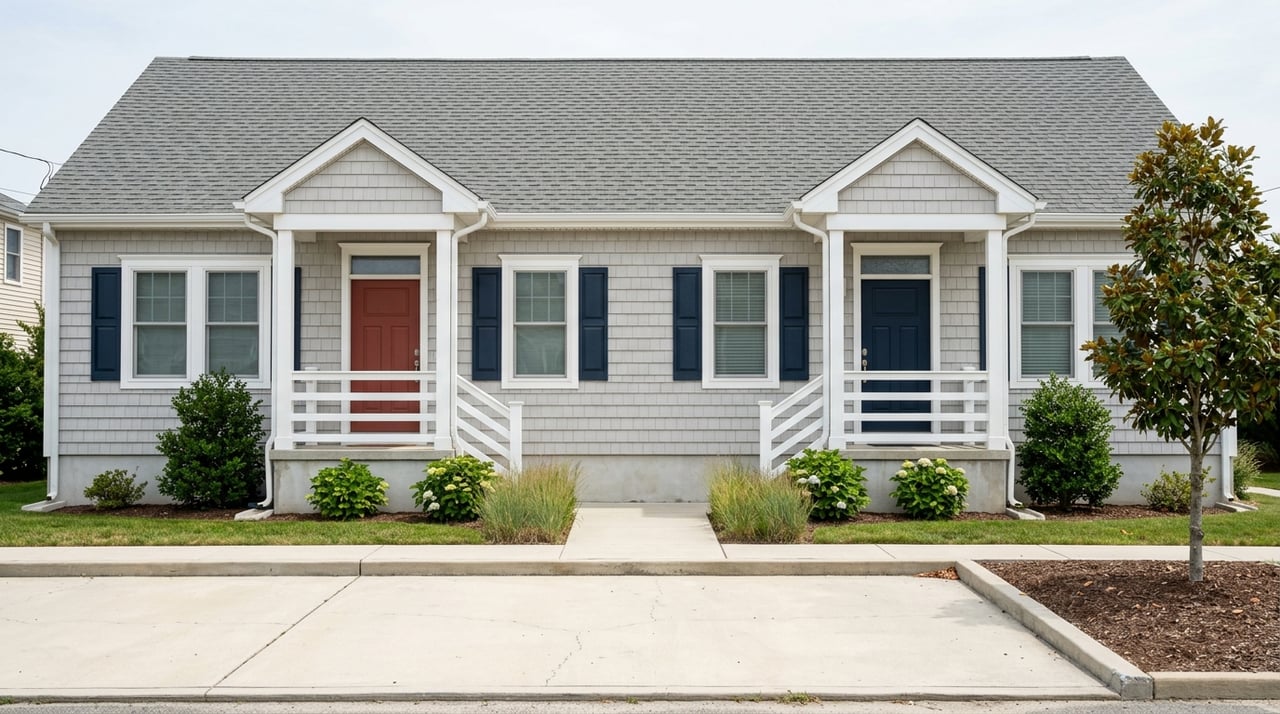
A Bethany Beach condo is usually a shared-interest form of ownership. That means you own your unit, but you also share ownership of common areas and exterior property with the rest of the community.
In Delaware, unless the condo declaration says something different, the association is generally responsible for maintaining, repairing, and replacing common elements. You are generally responsible for your unit itself. In practical terms, that can mean less exterior upkeep for you than owning a cottage, but it also means shared costs, shared rules, and less control over some decisions.
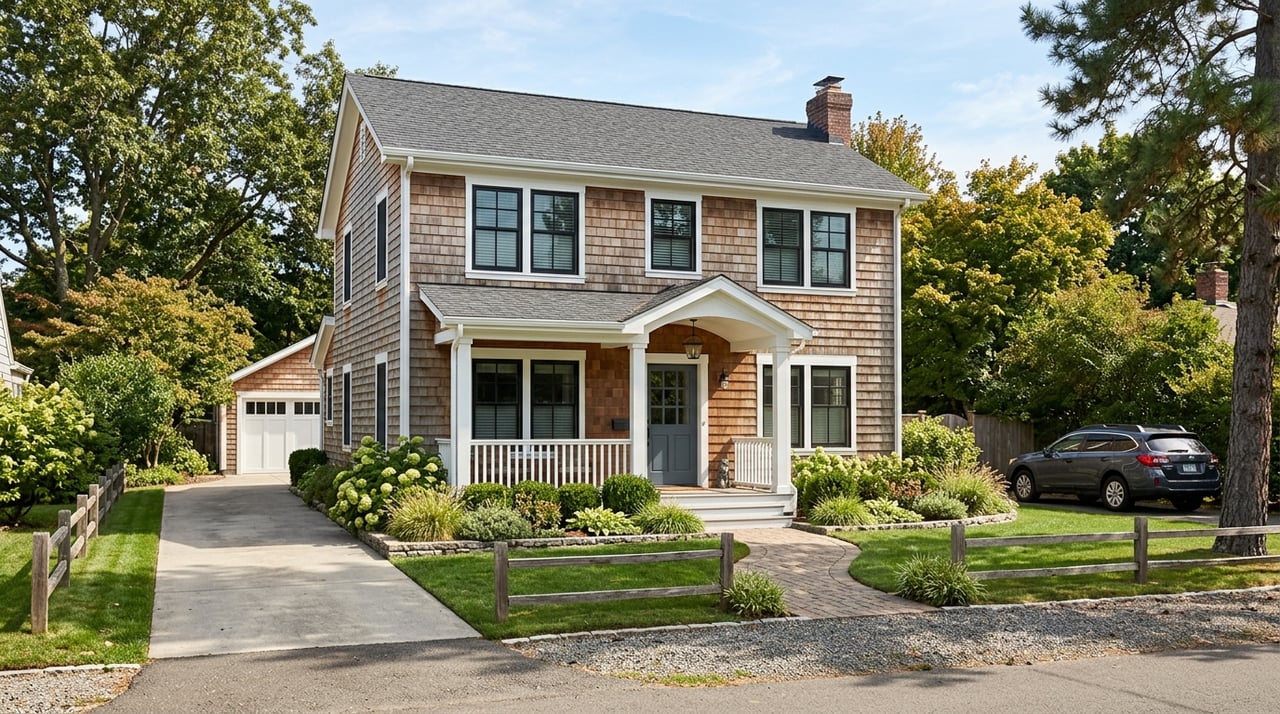
If you are deciding between a condo and a detached beach home, the biggest tradeoff is usually maintenance versus independence. A condo can reduce your personal exterior to-do list, while a cottage often gives you more control over the property.
That said, condo living comes with monthly or periodic fees. Those fees often help cover exterior repairs, common-area maintenance, water, sewer, trash, recreational amenities, and sometimes insurance or reserve funding. The key is to understand exactly what the fee covers before you commit.
One of the most important parts of condo due diligence is the reserve fund. In Delaware, condo associations must adopt budgets at least annually and include reserve funding in the budget.
The association must also keep a current reserve study, and that study must have been updated within the last five years. Reserve studies help estimate the useful life and replacement cost of common elements so the community can plan ahead and reduce the chance of sudden large charges.
For beach-area condos, that matters a lot. Delaware's reserve rules specifically point to systems and features such as roofs, windows, exterior walls, elevators, pools, parking garages, bulkheads, and docks. If those items are aging and reserves are weak, owners may be more exposed to future cost increases.
Special assessments are separate from regular condo dues. They are used for unexpected or nonrecurring common expenses.
A board can propose a special assessment through the normal budget process, and an emergency assessment can take effect right away if the board unanimously decides it is necessary. For you as a buyer, that makes it essential to look beyond the current monthly fee and ask whether the association seems financially prepared for future repairs.
Delaware gives resale condo buyers important disclosure rights. For a resale, the seller must provide key association documents and financial information.
These records can help you understand the community's rules, current finances, and possible red flags. They can also help you spot whether the condo feels like a good fit for how you plan to use it.
If you do not receive the resale certificate before signing the contract, Delaware law gives you the right to cancel within five calendar days after you first receive it. That timeline makes document timing especially important.
As you review the documents, focus on a few big-picture questions:
These answers can shape both your ownership experience and your financing options.
Condo financing is not always the same as financing a detached home. Lenders may look not only at you as the borrower, but also at the condo project itself.
Issues such as unresolved litigation, reserve strength, special assessments, and whether the project meets lender standards can affect loan approval. That is one reason it helps to review association documents early, not at the last minute.
Because Bethany Beach is a coastal market, flood and insurance review should be part of your normal buying process. Standard homeowners insurance does not cover flood, according to the Delaware Insurance Department.
The state also warns that flood insurance generally has a 30-day waiting period. If you are buying a second home or vacation condo, policy terms may also vary depending on how often the property is occupied.
Before making an offer, check the exact flood zone for the property using official mapping tools. DNREC says the Delaware Flood Planning Tool is designed to help buyers and real estate professionals research property-specific flood risk, and it points to the FEMA Flood Map Service Center as an official source for flood-hazard information.
For many buyers, the main takeaway is simple: your real monthly cost may include more than your mortgage and condo dues. Insurance needs and flood exposure can meaningfully change your budget.
Many buyers in Bethany Beach want a property they can enjoy personally and rent out part of the year. If that is your plan, make sure you understand both town requirements and state tax rules before closing.
Bethany Beach requires a rental license for each unit rented at any time during the year. The license year runs from June 1 through May 31, the fee is $100, and the town rental tax is 7% of gross receipts paid semi-annually.
Delaware also imposes a 4.5% short-term rental lodging tax on occupancies of 31 consecutive nights or fewer. The law excludes some add-on charges from the definition of rent, including cleaning fees, insurance fees, and security deposits.
These details can affect both your income expectations and how hands-on ownership will feel.
Parking may not be the first thing you think about when buying near the beach, but in Bethany Beach it can matter a lot. The town's parking rules are highly seasonal.
Public parking is pay-to-park or permit-only from May 15 through September 15, and it is free the rest of the year. The town also notes that summer weekend parking often fills by about 10:30 a.m., which gives you a clear picture of how busy peak season can get.
Owners of improved properties are entitled to one free resident parking permit and may buy one additional permit, but eligibility requires residence within the incorporated town limits. If you are buying as an absentee second-home owner, verify whether you qualify and how any condo-assigned parking works.
Seasonality shapes daily life in Bethany Beach more than many first-time buyers expect. Town rules and services shift with the beach calendar, and that can affect how you use the property.
For example, dogs are not allowed on the beach or boardwalk from May 15 through September 30. Lifeguards patrol full time from Memorial Day Saturday through Labor Day Monday and then on weekends throughout September.
That does not make condo ownership harder, but it does remind you to think about your actual lifestyle. If you want easy summer access, off-season quiet, rental flexibility, or pet routines, those details are worth considering before you buy.
A condo can be a great way to enjoy Bethany Beach with less exterior maintenance than a detached home. For many buyers, that is exactly the appeal.
Still, the smartest purchase usually comes down to the details. You will want to understand condo fees, reserve strength, special-assessment risk, rental rules, parking realities, flood exposure, and insurance needs before you get to closing.
When you review those pieces carefully, you can buy with more confidence and choose a property that truly fits the way you want to use it. If you are thinking about buying in Bethany Beach and want local guidance through the condo search, document review, and next steps, connect with Nicole Rayne.
Stay up to date on the latest real estate trends.






Whether you're buying your first home, searching for a vacation retreat, or looking to invest along the coast, she provides expert guidance every step of the way.

6200 COASTAL HWY STE 101 OCEAN CITY MD 21842